

Walk into any neighborhood kafeneio on a Sunday afternoon and the conversation has changed. Back then, ten years ago, backgammon slaps and football arguments settled by shouting buzzed around the tables. Now half the room is quietly cross-referencing odds on a phone, checking lines from three different apps before ordering another coffee. The café hasn’t lost its social pulse – it has just gained a second language, spoken in percentages and payout ratios.
That shift did not happen by accident. Mobile access, live-streamed matches, and a wave of platforms built specifically for Greek audiences turned prediction into something closer to a hobby than a vice. Among the newer entrants shaping this scene is casino sankra, a platform frequently cited by local players as an example of how modern betting and casino products blend fast mobile interfaces with region-specific markets. Its presence reflects a broader pattern – operators tailoring odds boards, payment rails, and promotions to the rhythms of Greek daily life rather than exporting a generic template.
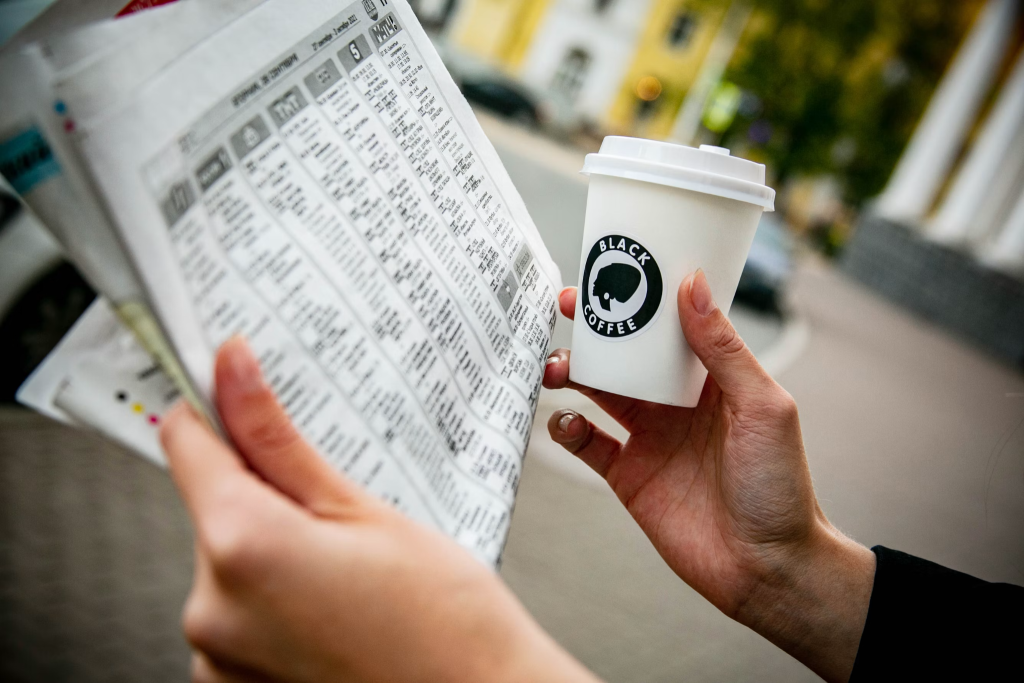
From Coin Flips to Data Tables
The old-school version of café betting was informal – a wager on who wins the derby, settled with a handshake. What replaced it is far more structured. Regulars now track team form, injury reports, and historical head-to-head records the way small investors track stock charts. The café became a workspace for this because it already had the two ingredients prediction culture needed: free time and an audience to argue with. Greece’s relationship with numbers and probability is not new – the country has a long tradition of state lottery games and football pools stretching back decades. What changed is the speed of feedback. A bet placed in 1985 might not resolve for a week. A bet placed today resolves in ninety minutes, sometimes ninety seconds if it’s a live in-play market.
Why the Café Specifically
Homes are private and quiet. Offices are monitored and distracting. It’s an in-between sort of place – public enough to inspire conversation, relaxed enough to let you spend four hours scrolling on your phone without judgment. Owners noticed the trend early and many quietly upgraded their Wi-Fi and added extra power outlets near booth seating, an adaptation almost nobody advertises but nearly everyone benefits from.
There’s also a generational handoff happening at these tables. Older patrons who spent decades reading racing forms have found common ground with younger regulars who grew up with fantasy sports apps. Both groups speak the language of odds, just with different vocabularies, and the café has become the translation point between them.
The Mechanics Behind the Habit
Understanding why this culture took hold requires looking at three separate forces that converged around the same time.
| Factor | What Changed | Effect on Café Culture |
| Mobile connectivity | Near-universal 4G/5G coverage across urban Greece | Betting moved from shops to any table with signal |
| Licensed platforms | Regulated operators expanded local-language markets | Trust increased, more casual users joined |
| Live streaming | Matches viewable directly on phones | Real-time discussion replaced next-day recaps |
None of these factors alone would have reshaped café life. Combined, they created an environment where checking a live score and adjusting a prediction became as routine as stirring sugar into a frappé.
Reading the Room, Reading the Odds
Skilled bettors at these tables rarely rely on gut instinct alone. They watch line movement – the way odds shift in the hours before kickoff – as a signal of where informed money is going. A sudden shift on a minor league match can say more than a pundit’s prediction, and regulars trade this kind of insight the way stockbrokers trade tips at a bar.
This has quietly built a form of informal financial literacy. Concepts like implied probability, expected value, and bankroll management – terms once confined to trading floors – now get explained over coffee by someone who picked them up from a YouTube tutorial and lots of trial and error.
Risks Hiding Behind the Ritual
Not everything about this culture is harmless. The social normalization of betting talk can mask problem patterns, since a habit that looks like camaraderie from outside may be financial strain for the person living it. Owners and regulars have started recognizing warning signs – someone chasing losses across apps, or skipping meals to keep a balance topped up.
Built-In Safeguards
Responsible platforms address this directly, offering deposit limits, self-exclusion tools, and session reminders built into the interface rather than buried in a settings menu. The healthiest version of this culture treats prediction as a shared intellectual exercise, not a lifeline, and tables that keep that distinction intact tend to be the ones still laughing by closing time.
Where the Trend Goes Next
Café owners who once worried about smartphones killing conversation are now finding the opposite – they’ve become the reason people stay longer, order more, and return the next weekend. Whether this stays a distinctly Greek phenomenon or spreads further across Mediterranean café culture will depend largely on regulation, connectivity, and whether the next generation keeps choosing the table over the screen alone. What’s clear already is that the strategy room didn’t need four walls and a whiteboard. It just needed strong coffee, a decent signal, and enough neighbors willing to argue about the next match.
