

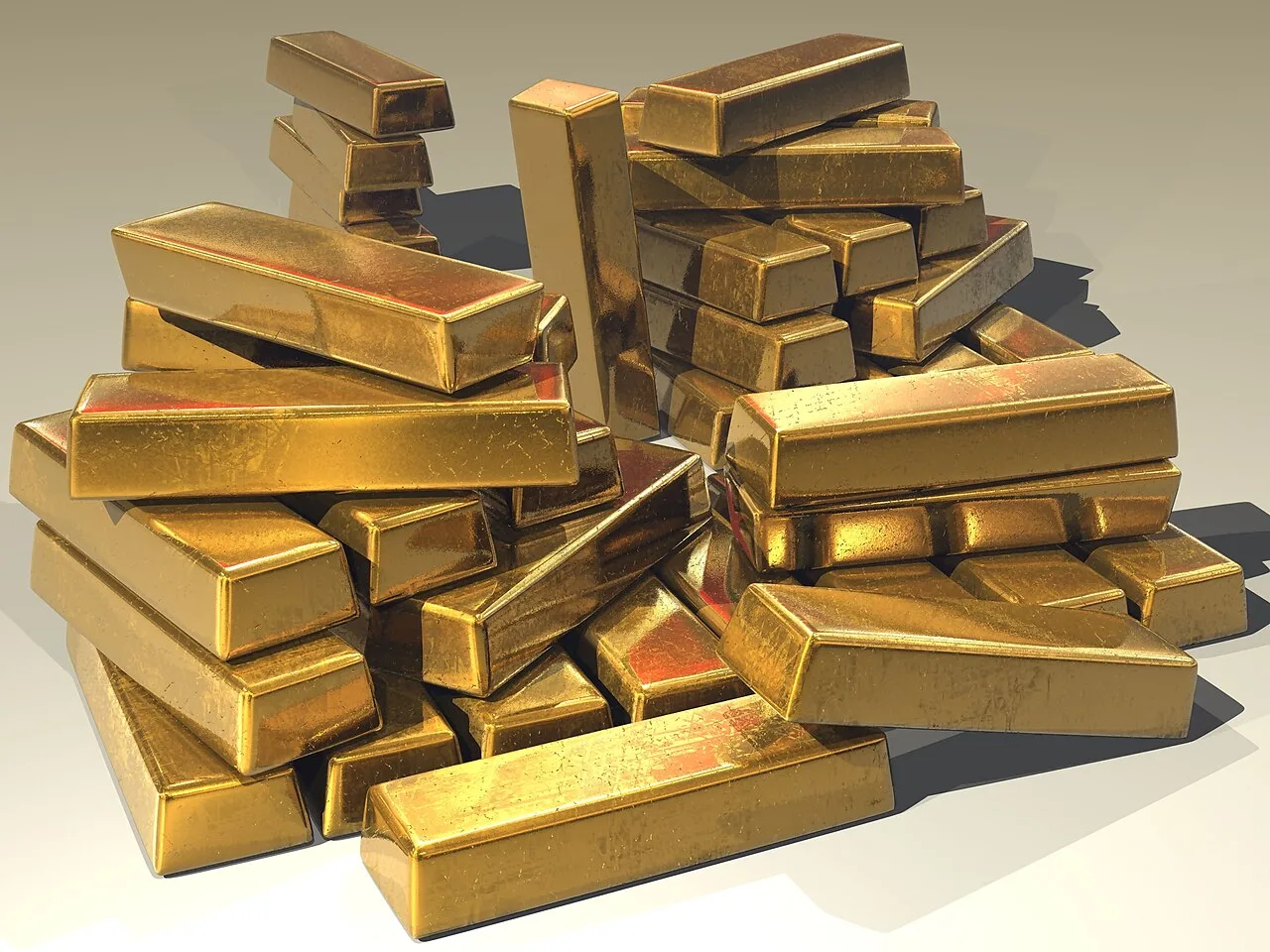
It pays no interest, funds no company, and cannot be eaten — yet whenever wars flare, currencies wobble or markets convulse, buyers return to gold as reliably as swallows. The current period of geopolitical tension and economic uncertainty is no exception: demand for the metal from central banks and private investors alike has been a running story in the financial press our news team reads each morning. Why does an inert metal command such loyalty, and what do its critics say back? Both cases deserve a fair hearing.
First, the supporters’ argument, which begins with history. Gold has served as a store of value across civilisations and currency regimes, including the failures of currencies themselves. No government can print it; no company’s bankruptcy can zero it; no bank’s collapse can freeze it in an account. For central banks — among the most significant buyers in recent years, as chronicled by Reuters‘ commodities coverage — those properties translate into reserves that no other nation’s decisions can devalue overnight.
The insurance framing
Private buyers tend to describe gold less as an investment than as insurance. Insurance is not expected to make you rich; it is expected to be there on the bad day. In portfolio terms, gold has often moved differently from shares and bonds during crises, which can soften a fall even if the metal itself merely holds its ground. A small allocation, regularly rebalanced, is the version of the gold case that mainstream financial advisers most often endorse — boring, deliberate and sized like a premium rather than a bet.
There is also a currency argument. When investors worry that major currencies will lose purchasing power — through inflation, heavy public borrowing or political pressure on central banks — an asset that no authority can issue more of acquires an obvious appeal. Whether those worries are well founded in any given year is debatable; that they recur is not.
Now the case against
Sceptics begin where supporters end: gold produces nothing. A bar in a vault this year is the same bar next year, paying no dividend, coupon or rent along the way, while costing money to store and insure. Over long stretches of history, productive assets — businesses, land, even ordinary bonds — have built far more wealth than metal sitting still. Critics add that gold’s price is itself volatile, capable of falling for years at a time, which sits awkwardly with the word ‘safe’: an asset bought in anxiety at a peak can underperform for a decade.
There is also an opportunity-cost sting. Money parked in gold is money not compounding elsewhere, and the investors who most loudly promote the metal are frequently those selling it — a conflict the sceptics suggest buyers keep in mind.
A balanced verdict
A note on timing and temperament
The most common gold mistake is not analytical but temperamental: buying in a wave of fear, at the moment every headline agrees the world is ending, and selling in a wave of boredom when nothing has happened for two years. Insurance bought at panic prices and cancelled in calm ones delivers the worst of both worlds — the premium without the cover. The investors who use gold well tend to decide their allocation in advance, in writing, at a size they can hold through both headlines and silence, and then leave it alone. In that discipline, gold stops being a bet on disaster and becomes what its defenders always claimed: a quiet asset for loud times, held by people who refuse to trade their emotions.
The honest summary is that gold is neither the barbarous relic of its harshest critics nor the one true money of its loudest fans. It is a crisis-hardened, yield-free asset whose value rests on collective belief sustained over millennia — belief that has, so far, always returned. Sized modestly, bought without leverage and held as insurance rather than speculation, it has a defensible place in a portfolio. Bought in panic, in size, at any price, it is just another way to make an uncertain time more expensive. Follow market coverage on our homepage.
