

Introduction
Technology is one of the most powerful forces shaping the modern world. It has revolutionized the way people live, work, communicate, learn, and interact with one another. From the invention of the wheel to the development of artificial intelligence, technological progress has continuously improved human life and expanded the possibilities of what people can achieve.
In the twenty-first century, technology has become an integral part of daily life. Individuals rely on smartphones, computers, the internet, and various digital devices for communication, education, healthcare, entertainment, and business activities. As technology continues to evolve, it is creating new opportunities while also presenting new challenges for society.
Understanding Technology
Technology refers to the practical application of scientific knowledge to create tools, machines, systems, and processes that solve problems and improve efficiency. It encompasses a wide range of innovations, from simple mechanical devices to highly advanced digital systems.
The primary objective of technology is to make human tasks easier, faster, safer, and more effective. Throughout history, technological advancements have played a crucial role in the development of civilizations and economies.
Historical Development of Technology
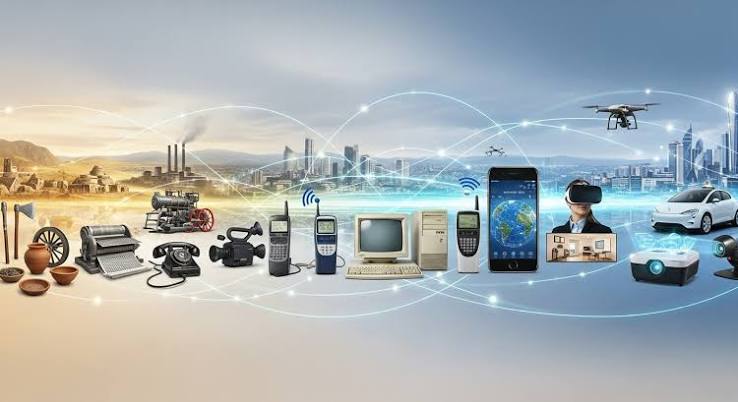
The history of technology can be traced back to ancient times when humans developed basic tools for hunting, farming, and construction. The Industrial Revolution marked a major turning point, introducing machines that significantly increased production and transformed industries.
The twentieth century witnessed remarkable technological achievements, including the invention of airplanes, computers, telecommunications systems, and space exploration technologies. Today, the digital revolution continues to reshape the world through innovations such as Artificial Intelligence, robotics, cloud computing, and the Internet of Things.
Types of Technology
Technology exists in many forms and serves different purposes.
Information Technology
Information Technology involves computers, software, databases, and communication networks. It enables the storage, processing, and transmission of information across the globe.
Communication Technology
Communication technology includes mobile phones, video conferencing platforms, social media, and internet services that allow people to connect instantly regardless of distance.
Medical Technology
Medical technology improves healthcare through advanced diagnostic equipment, robotic surgery systems, telemedicine platforms, and electronic health records.
Educational Technology
Educational technology enhances learning through online courses, virtual classrooms, digital libraries, and interactive educational software.
Industrial Technology
Industrial technology supports manufacturing processes through automation, robotics, and advanced production systems.
Transportation Technology
Transportation technology includes automobiles, high-speed trains, aircraft, electric vehicles, and intelligent transportation systems that improve mobility and safety.
Applications of Technology in Daily Life
Technology affects nearly every aspect of modern life.
Education
Students can access educational resources online, participate in virtual classes, and collaborate with peers worldwide. Digital learning platforms have made education more accessible than ever before.
Healthcare
Doctors use advanced technologies for diagnosis, treatment, and patient monitoring. Telemedicine allows patients to consult healthcare professionals remotely.
Business
Organizations use technology to manage operations, communicate with customers, analyze data, and improve productivity.
Banking and Finance
Online banking, digital payments, and financial technology services have made financial transactions faster and more convenient.
Entertainment
Streaming services, video games, virtual reality experiences, and social media platforms provide endless entertainment opportunities.
Agriculture
Modern farming technologies help increase crop yields, conserve resources, and improve food production efficiency.
Benefits of Technology
Technology provides numerous advantages that contribute to human progress.
Improved Efficiency
Automation and digital tools enable tasks to be completed more quickly and accurately.
Better Communication
People can communicate instantly through emails, messaging applications, and video calls.
Increased Access to Information
The internet provides access to vast amounts of knowledge and educational content.
Economic Growth
Technology drives innovation, creates new industries, and generates employment opportunities.
Enhanced Healthcare
Medical advancements improve disease diagnosis, treatment, and prevention.
Global Connectivity
Technology connects individuals, businesses, and governments across the world.
Challenges and Risks of Technology
Despite its many Đăng Ký llwin, technology also presents several challenges.
Cybersecurity Threats
Cyber attacks, data breaches, and online fraud pose significant risks to individuals and organizations.
Privacy Concerns
Personal information may be exposed or misused if not properly protected.
Job Displacement
Automation can replace certain jobs, creating employment challenges in some sectors.
Digital Addiction
Excessive use of digital devices can negatively affect mental and physical health.
Environmental Impact
Electronic waste and energy consumption contribute to environmental concerns.
The Role of Artificial Intelligence
Artificial Intelligence is one of the most transformative technologies of the modern era. AI systems can analyze data, recognize patterns, make decisions, and automate complex processes.
AI is being used in healthcare, education, finance, transportation, manufacturing, and many other https://llwin.io/. It has the potential to improve efficiency, solve complex problems, and drive future innovation.
Future Trends in Technology
The future of technology is expected to bring remarkable advancements.
Quantum Computing
Quantum computers may solve complex problems beyond the capabilities of traditional computers.
Smart Cities
Cities will use connected technologies to improve transportation, energy management, and public services.
Advanced Robotics
Robots will become more intelligent and capable of performing sophisticated tasks.
Renewable Energy Technologies
Innovations will support cleaner and more sustainable energy production.
Space Exploration
New technologies will enable deeper exploration of space and potential human settlement beyond Earth.
Conclusion
Technology has transformed human civilization and continues to shape the future of society. It improves communication, education, healthcare, business, and countless other aspects of life. While challenges such as cybersecurity, privacy, and environmental concerns must be addressed, the benefits of technology remain immense.
As innovation continues, technology will play an even greater role in solving global challenges, improving living standards, and creating opportunities for future generations. Responsible development and use of technology will be essential for building a smarter, safer, and more sustainable world.
