

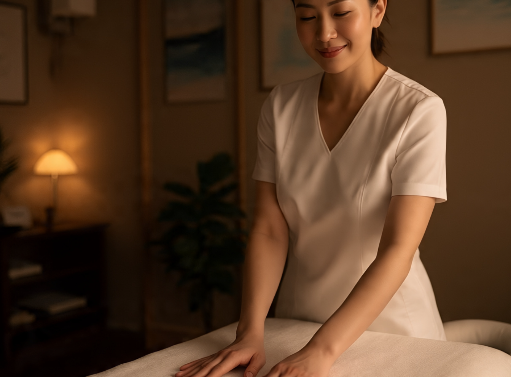
In the modern world, maintaining health is no longer solely about physical fitness or the absence of illness. True wellness encompasses both physical and emotional balance. Stress, prolonged sitting, repetitive motions, and mental overload can create a disconnect between the body and mind. https://www.kakaochuljang.com/ilsan Over time, this imbalance affects energy levels, emotional resilience, and overall quality of life. Professional massage therapy offers a powerful approach to restoring harmony, addressing both physical and emotional health in a natural and effective way.
Massage therapy is more than a tool for relaxation. It is a holistic practice that supports the body’s systems, encourages emotional release, and enhances overall well-being. By integrating touch, pressure, and mindful techniques, it creates a bridge between physical restoration and emotional stability.
Understanding the Interconnection Between Body and Mind
Physical and emotional health are deeply intertwined. Tension in the body can influence mood, while stress and anxiety can manifest as muscular tightness, headaches, or fatigue. This mind-body connection means that addressing one aspect without considering the other often provides only temporary relief.
Massage therapy recognizes this interconnection. By working simultaneously on muscle tissue, circulation, and the nervous system, it promotes harmony throughout the body. The result is not just temporary relaxation, but a lasting sense of balance that enhances daily functioning.
Physical Benefits: Releasing Muscle Tension
Muscle tension is a common consequence of stress, overexertion, or prolonged inactivity. Stiff muscles restrict movement, create discomfort, and place pressure on joints. Over time, these physical limitations can reduce mobility, posture, and overall energy levels.
Massage therapy alleviates muscle tension through techniques such as kneading, stretching, and pressure application. As tight muscles release, circulation improves, and the body becomes more flexible. This physical relief not only eases discomfort but also reduces the strain that contributes to emotional stress.
Improving Circulation for Whole-Body Health
Good circulation is essential for physical health, delivering oxygen and nutrients to tissues while removing metabolic waste. Poor circulation can lead to fatigue, heaviness, and slower recovery, amplifying both physical and mental stress.
Massage therapy stimulates blood flow, improving nutrient delivery and waste removal. Enhanced circulation supports muscle recovery, increases energy levels, and creates a sensation of vitality that positively affects both body and mind.
Supporting the Nervous System for Emotional Stability
The nervous system is central to both physical and emotional health. Chronic stress activates the sympathetic nervous system, leaving the body in a heightened state of alert. This prolonged activation contributes to tension, irritability, and difficulty focusing.
Massage therapy helps shift the body into parasympathetic mode—the “rest and digest” state. This calming effect lowers heart rate, reduces stress hormones like cortisol, and encourages relaxation. By calming the nervous system, massage provides the foundation for emotional regulation and mental clarity.
Promoting Emotional Release Through Physical Relaxation
Emotions are often stored in the body as tension, particularly in the shoulders, neck, and back. Unaddressed emotional stress can manifest physically, making it difficult to achieve true relaxation or mental clarity.
Through touch and mindful manipulation of muscles, massage therapy encourages emotional release. As the body relaxes, pent-up emotions can be gently processed, leading to a sense of lightness, calm, and emotional balance. This release supports better mood, reduced anxiety, and improved resilience.
Enhancing Mental Focus and Clarity
Physical discomfort and emotional strain often distract the mind, reducing focus and cognitive efficiency. Massage therapy improves mental clarity by reducing tension, enhancing circulation, and promoting relaxation.
As the body becomes more comfortable, the mind is freed from constant physical reminders of stress. Individuals often report improved focus, better decision-making, and a calmer mental state following regular massage sessions.
Supporting Sleep Quality
Adequate sleep is essential for maintaining both physical and emotional health. Stress and tension can interfere with falling asleep or achieving deep, restorative rest.
Massage therapy promotes sleep by calming the nervous system, relaxing muscles, and reducing the production of stress hormones. 파주 출장안마 추천 Better sleep enhances mood, energy levels, and overall well-being, creating a feedback loop where emotional and physical health reinforce each other.
Preventing the Accumulation of Chronic Stress
Chronic stress gradually accumulates, impacting muscles, joints, and emotional resilience. Over time, this can lead to chronic pain, fatigue, irritability, and even health complications.
Regular massage therapy interrupts this accumulation by addressing tension before it becomes chronic. Consistent care helps the body maintain flexibility, reduces physical strain, and fosters emotional stability, supporting long-term balance.
Strengthening Resilience Against Daily Challenges
Life’s demands can create physical and emotional challenges daily. Professional massage therapy helps build resilience by maintaining muscular health, improving circulation, and regulating the nervous system.
When the body is relaxed and the mind is calm, individuals can respond to stress more effectively. Massage therapy provides tools for both immediate relief and long-term coping, making it easier to navigate daily challenges with composure.
Integrating Mindfulness and Body Awareness
Massage therapy enhances body awareness by encouraging attention to sensations, posture, and areas of tension. This increased awareness allows individuals to recognize early signs of physical strain or emotional stress.
By cultivating mindfulness, massage helps individuals proactively manage both body and mind. Recognizing tension or stress early allows for timely intervention, preventing escalation and promoting a balanced state.
Supporting Overall Wellness Through Holistic Care
Massage therapy contributes to a holistic wellness strategy. It complements physical activity, healthy nutrition, meditation, and other wellness practices by maintaining flexibility, reducing tension, and supporting emotional balance.
This integrated approach ensures that both physical and emotional health are nurtured together, creating sustainable well-being. Individuals who embrace massage as part of a comprehensive wellness routine often experience improved energy, mood, and overall vitality.
Adapting to Individual Needs
One of the key strengths of professional massage therapy is its adaptability. Techniques can be tailored to address specific concerns, whether an individual requires stress relief, emotional support, recovery from injury, or improved physical performance.
This personalization ensures that massage therapy meets the unique needs of each person, making it effective for balancing physical and emotional health across diverse lifestyles and life stages.
Long-Term Benefits of Regular Massage
The benefits of massage therapy are amplified with regular sessions. Over time, muscles remain flexible, circulation improves, stress responses normalize, and emotional resilience strengthens.
Regular care also supports preventive health by addressing small imbalances before they become chronic issues. Consistent massage therapy becomes a cornerstone of long-term wellness, reinforcing the equilibrium between body and mind.
Enhancing Quality of Life
When physical comfort and emotional balance are achieved together, overall quality of life improves. Daily activities become easier, moods stabilize, energy levels increase, and mental clarity is enhanced.
By supporting both aspects of health simultaneously, massage therapy creates a foundation for a more balanced, productive, and fulfilling life. The integration of physical and emotional wellness ensures individuals are better equipped to handle life’s demands with confidence and ease.
Conclusion
Professional massage therapy is a powerful practice for balancing physical and emotional health. By addressing muscle tension, improving circulation, regulating the nervous system, promoting emotional release, and enhancing mental clarity, it supports a holistic sense of well-being.
Regular massage therapy fosters long-term resilience, improves energy, and enhances emotional stability. It bridges the gap between body and mind, ensuring that both are cared for in harmony. For anyone seeking true wellness, massage therapy is not just a temporary relief—it is an essential tool on the journey toward balance, vitality, and overall health.