

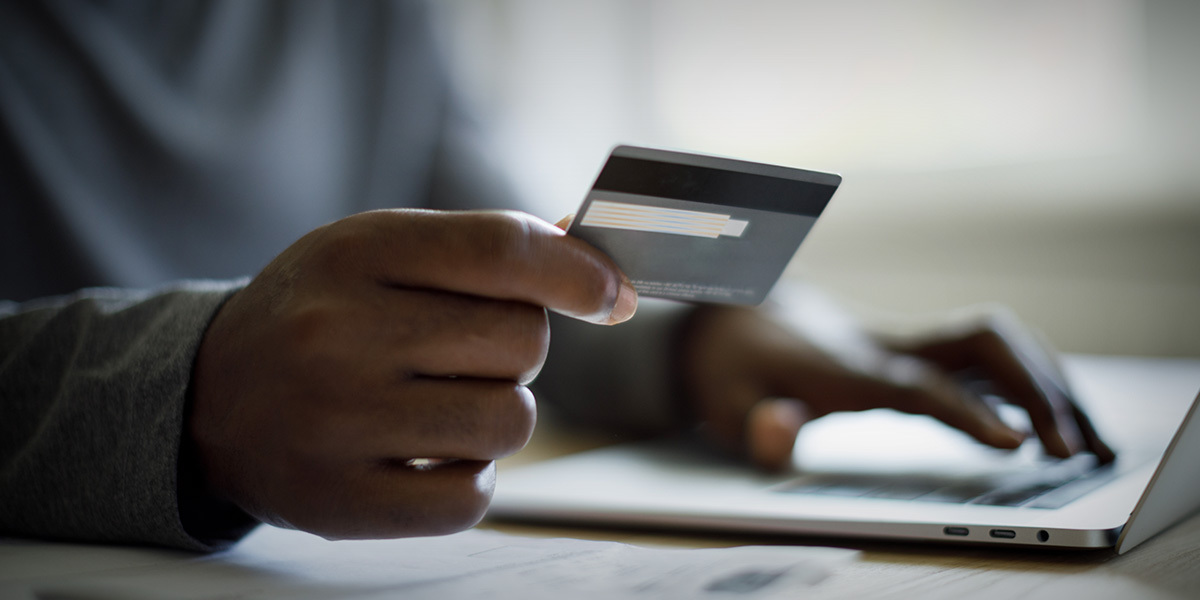
In the modern digital world, online financial transactions have become faster, easier, and more accessible than ever before. Millions of people rely on credit cards and debit cards to complete purchases, pay bills, and manage their finances online. As this digital economy continues to expand, various bclub platforms have emerged claiming to offer financial tools, resources, and card-related services. One such name that frequently appears in online discussions is Bclub Premium Dumps Center – Trusted CVV2 Cards.
This article explores what Bclub Premium Dumps Center claims to provide, the role of CVV2 cards in online payments, and the importance of understanding the legal and security implications associated with such platforms.
Understanding CVV2 and Its Role in Online Transactions
CVV2 stands for Card Verification Value 2, a three- or four-digit number printed on credit or debit cards. It is typically located on the back of the card and serves as an additional security layer for online or “card-not-present” transactions.
When customers make purchases online, they usually enter several pieces of information:
- Card number
- Expiration date
- Cardholder name
- CVV2 code
The CVV2 code helps verify that the person making the transaction physically possesses the card. This security feature is designed to reduce fraud and protect both merchants and cardholders during digital transactions.
Because CVV2 codes play a crucial role in verifying payments, they have become a key element in discussions about payment security, financial fraud, and online data protection.
What Is Bclub Premium Dumps Center?
Bclub Premium Dumps Center is often mentioned in online forums and communities that discuss digital payment systems and card-related data. The platform is described as a place where users can access various types of card information, including so-called “dumps” and CVV2 data.
In general terms, the word “dumps” refers to raw card data that may be copied from the magnetic stripe of a credit or debit card. This type of information can sometimes be used in attempts to create duplicate cards or conduct unauthorized transactions.
Some websites promote themselves as providing “trusted” or “premium” data, suggesting reliability, verification, or high success rates. These marketing terms are frequently used to attract attention and build credibility among users searching for such services.
However, it is essential to understand that the use, distribution, or purchase of unauthorized card data is illegal in most jurisdictions and can lead to serious legal consequences.
Claims and Marketing Strategies
Platforms associated with card-data marketplaces often promote several features to attract users. These claims may include:
1. Verified or “Trusted” Data
Many platforms claim that their card information is verified or recently updated. This marketing language is intended to suggest a higher success rate for transactions.
2. Large Databases
Some services advertise access to extensive databases containing card details from multiple regions or countries. The idea is to appeal to users seeking a variety of card types.
3. Premium Membership
Another common tactic is the use of premium or VIP membership systems. These memberships may promise faster updates, exclusive data, or priority access.
4. Customer Support and Refund Policies
Some marketplaces even advertise refund policies or customer support to appear more legitimate and organized.
Despite these claims, platforms that deal with unauthorized financial data are typically part of illegal online ecosystems. Users who interact with such services risk both financial loss and legal repercussions.
Security and Legal Risks
Engaging with platforms that distribute CVV2 card data or financial dumps carries significant risks. These risks affect not only the users of such platforms but also the individuals whose financial data may have been compromised.
Legal Consequences
In many countries, purchasing or distributing stolen financial information is considered a serious criminal offense. bclub.tk Laws related to cybercrime, identity theft, and financial fraud impose heavy penalties, including fines and imprisonment.
Financial Risk
Even individuals attempting to use such services can become victims themselves. Fraudulent marketplaces may collect payments from users and fail to deliver the promised data or services.
Data Exposure
Users who register on suspicious platforms may expose their own personal information, email addresses, or payment details. This can lead to identity theft, hacking, or additional scams.
Malware and Cybersecurity Threats
Illicit marketplaces often operate without proper security standards. Downloading files or accessing certain links from these sites may expose users to malware, spyware, or phishing attacks.
The Importance of Ethical and Legal Online Practices
As digital payments continue to grow worldwide, maintaining ethical and legal online behavior becomes increasingly important. Businesses, consumers, and financial institutions all play a role in protecting payment systems.
For Consumers
Consumers should always protect their card information and monitor their accounts regularly for suspicious transactions. Using secure websites, enabling two-factor authentication, and avoiding suspicious platforms are essential practices.
For Businesses
Online merchants must invest in strong payment security systems such as encryption, fraud detection tools, and secure payment gateways. These technologies help reduce the risk of fraudulent transactions.
For Financial Institutions
Banks and payment networks continue to develop advanced security measures, including tokenization, AI-based fraud detection, and biometric verification.
These efforts aim to make online transactions safer and reduce the risks associated with financial fraud.
The Growing Importance of Payment Security
The global digital payment market is expanding rapidly. E-commerce platforms, mobile wallets, and online banking services are now part of everyday life. As technology evolves, so do the methods used by cybercriminals.
Because of this, organizations around the world are strengthening cybersecurity regulations and improving fraud detection systems. Payment processors are also implementing additional security measures, such as:
- Real-time transaction monitoring
- Multi-factor authentication
- Behavioral analysis tools
- Advanced encryption protocols
These innovations help ensure that customers can continue using digital payments with confidence.
Conclusion
Bclub Premium Dumps Center – Trusted CVV2 Cards is a name that often appears in discussions about online card data marketplaces. While such platforms claim to provide access to card-related information, it is crucial to understand the serious legal and ethical issues surrounding these services.
Unauthorized distribution or use of credit card data is illegal and can lead to severe penalties. In addition, engaging with such platforms exposes users to scams, financial loss, and cybersecurity threats.
The safest approach is to rely on legitimate financial systems and follow secure online practices. As digital payments continue to shape the future of commerce, responsible behavior and strong security measures will remain essential for protecting both individuals and businesses.