

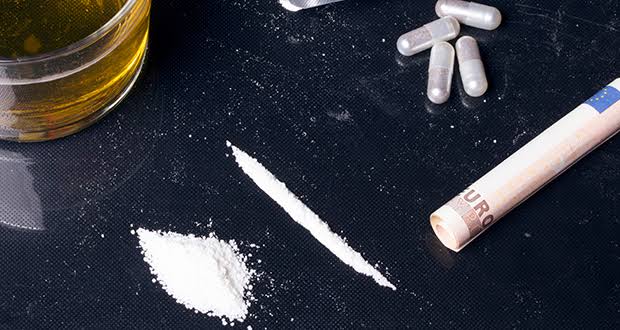
Alcohol has long been woven into Irish social life, and in recent years, cocaine has moved from the margins into the same nights out, the same social circles, and increasingly, the same treatment statistics. Ireland’s Health Research Board now describes cocaine as the country’s most commonly treated drug after alcohol, and when the two are used together, which happens often, they interact in ways that carry real medical and psychiatric weight.
This article explains what’s currently known about alcohol and cocaine use in Ireland, why the two are so often combined, what happens in the body and mind when they are, and when that pattern has crossed into something that benefits from professional support. It’s written to be useful whether you’re asking about your own drinking and drug use, or you’re worried about someone you love.
Medical disclaimer: This article is for informational and educational purposes only and is not a substitute for professional medical, psychiatric, or addiction treatment advice. It does not diagnose any individual. If you are concerned about your own or someone else’s alcohol or cocaine use, speak with a GP, psychiatrist, or addiction treatment professional.
What Is Polydrug Use?
Polydrug use refers to using more than one psychoactive substance, either at the same time or within a relatively short window of each other. It’s an extremely common pattern in addiction treatment settings, not a rare exception. Common combinations include alcohol and cocaine, alcohol and cannabis, cocaine alongside other stimulants, or alcohol combined with prescription medications such as benzodiazepines.
Alcohol and cocaine deserve particular attention within this picture. Irish treatment data consistently shows they are the two substances most frequently reported together: HSE-funded treatment figures for 2025 found that where alcohol was the main problem substance, cocaine was by far the most common additional drug reported, present in 72% of those polydrug cases, up sharply from 42% in 2017. The reverse pattern holds too, with alcohol regularly appearing as an additional substance among people in treatment primarily for cocaine use.
Why Do People Combine Alcohol and Cocaine?
There’s no single reason people mix these two substances, and the motivations researchers describe vary from person to person and from occasion to occasion. Commonly discussed factors include:
- Wanting increased energy or stimulation, particularly later in a night of drinking
- Using cocaine to counteract the sedating, sleepy effects of alcohol, so the person feels able to keep drinking or socializing longer
- Nightlife and social environments where the combination is normalized within a peer group
- Impulsivity or sensation-seeking traits that make combined use more appealing in the moment
- A desire to prolong a night out or a particular social or emotional state
- Using the combination, consciously or not, to cope with underlying stress, anxiety, or low mood
- Reinforcement from the pleasurable subjective effects of the combination itself
- Simply having developed a habitual pattern where the two substances are routinely used together
It’s worth noting directly: people who use alcohol and cocaine together often report that the combination initially feels more pleasurable than either substance alone, and less like being drunk. That subjective experience is part of what makes the combination so common, and, as the next section explains, it’s also part of what makes it risky.
What Happens When Alcohol and Cocaine Are Used Together?
When cocaine and alcohol are present in the body at the same time, the liver metabolizes them together and produces a distinct compound called cocaethylene. This is a genuinely unusual phenomenon in pharmacology: cocaethylene is not something either substance produces on its own, and it isn’t manufactured or added to anything, it’s formed entirely inside the body as a direct result of combining the two.
Cocaethylene is pharmacologically similar to cocaine. It blocks the reuptake of dopamine and produces comparable stimulant effects, which helps explain why the combination can feel more intensely pleasurable than cocaine alone. But cocaethylene also stays active in the body considerably longer than cocaine itself, and a growing body of research indicates it is more toxic to the cardiovascular system.
A 2024 systematic review of human studies, examining the cardiovascular risks of using cocaine and alcohol together, found that the presence of cocaethylene was associated with an 18- to 25-fold increase in the risk of sudden death compared with cocaine use alone, along with a heightened risk of myocardial injury and cardiac arrest, likely related to how cocaethylene affects the heart’s electrical (ion channel) activity. The same review found that combined use reliably increases myocardial workload and overall mortality, even though findings on the exact severity of cardiovascular symptoms varied somewhat across the individual studies included.
Potential concerns associated with combined alcohol and cocaine use, based on this and related research, include:
- Increased heart rate and blood pressure beyond what either substance produces alone
- Higher blood cocaine concentrations than cocaine used by itself
- Cardiac arrhythmias and elevated risk of cardiac arrest
- Chest pain and myocardial injury
- Elevated risk of stroke
- Seizures
- Impaired judgment and increased risk-taking behavior
- Greater psychiatric instability during and after use
One additional mechanism worth understanding: alcohol tends to mask the warning signs of cocaine intoxication, and cocaine tends to mask the sedating, impairing signs of alcohol intoxication. That mutual masking is part of why people using the two together often keep drinking past the point they otherwise would, and why the combination can feel deceptively manageable even as physiological strain builds underneath it. This effect should not be treated as universal or predictable for every person or every occasion, but it is a well-documented pattern in the research on combined use.
Alcohol Use Disorder in Ireland
Alcohol use in Ireland remains widespread: the 2025 Healthy Ireland Survey found that 71% of people aged 15 and older reported drinking alcohol in the past 12 months, and around one in five people (20%) scored in the hazardous or harmful drinking range on the AUDIT screening tool, with rates highest among 15- to 24-year-olds. Drinking alcohol, even regularly, does not on its own mean someone has an alcohol addiction. The clinically meaningful distinction is between:
- Social drinking: drinking within lower-risk guidelines without significant negative consequences
- Risky drinking: drinking at levels that increase the chance of future harm, even without current impairment
- Harmful drinking: drinking that is already causing physical, psychological, or social harm
- Alcohol Use Disorder (AUD): a clinically diagnosable pattern involving loss of control and significant impairment
Alcohol Use Disorder, in clinically accurate terms, involves a pattern that can include:
- A strong craving or urge to drink
- Difficulty controlling how much or how often one drinks
- Drinking more, or for longer, than intended
- Repeated, unsuccessful attempts to cut down or stop
- Developing tolerance, needing more alcohol to achieve the same effect
- Experiencing withdrawal symptoms when not drinking
- Continuing to drink despite clear negative consequences to health, work, or relationships
Ireland’s own HRB data illustrates the scale of this issue in treatment settings: 8,798 treatment cases for problem alcohol use were recorded in 2025, the highest figure to date, with almost one in three of those cases also reporting use of another substance alongside alcohol, most commonly cocaine.
Cocaine Use Disorder
Cocaine produces a powerful, fast-acting stimulant effect, and for some people, repeated use can develop into a compulsive pattern that meets criteria for Cocaine Use Disorder. As with alcohol, occasional cocaine use is not the same thing as a diagnosable substance use disorder; the distinction again comes down to control and impact, not simply frequency.
Cocaine Use Disorder can involve:
- Strong, recurring cravings for cocaine
- Preoccupation with obtaining or using the drug
- A subjective loss of control over use
- Using cocaine more frequently, or in larger amounts, than intended
- Difficulty stopping despite wanting to
- Continued use despite clear consequences
- Financial strain connected to the cost of ongoing use
- Relationship conflict or breakdown connected to use
- Impaired performance at work or in other responsibilities
- Increased risk-taking behavior while using or seeking to use
Ireland’s most recent HRB figures make clear how significant this has become nationally: cocaine accounted for 42% of all drug treatment cases in 2025 (6,535 cases, excluding alcohol), a 24% rise on the year before and the highest number ever recorded. Cocaine was also the primary drug for more than half of people newly entering treatment that year, and treatment demand for both powder cocaine and crack cocaine rose sharply. It’s important to be precise about what this data does and doesn’t show: it reflects the number of treatment episodes, meaning the same person can be counted more than once, and it measures the people who sought treatment, not the total number of people using cocaine across the country. It should not be read as a statement about what percentage of the general population is addicted.
Mental Health Effects
Alcohol and cocaine use, and particularly heavier or combined use, are consistently associated with a range of mental health difficulties. The relationship between substance use and mental health is genuinely complex and runs in more than one direction, so it’s worth being precise about what the evidence actually supports.
Research has found associations between alcohol and cocaine use and:
- Anxiety, including panic symptoms
- Depression and low mood
- Irritability and mood instability
- Insomnia and other sleep disruption
- Paranoia
- Psychotic symptoms in some cases
- Increased impulsivity
- Suicidal thoughts or behavior, particularly during periods of heavy use, withdrawal, or significant psychosocial stress
People with substance use disorders may experience some or none of these difficulties, and the presence of one does not confirm the presence of another. Rather than saying alcohol or cocaine directly causes any particular psychiatric disorder, the more accurate clinical framing is that substance use can contribute to, worsen, or unmask psychiatric symptoms, and that pre-existing anxiety, depression, or other conditions can also increase vulnerability to problematic substance use in the first place. This bidirectional relationship is exactly why psychiatric assessment is such an important part of comprehensive addiction treatment.
Cocaine-Induced Psychosis
Stimulant use, including cocaine, can produce psychiatric symptoms that closely resemble psychosis: paranoia, suspiciousness, hallucinations, delusional thinking, and severe agitation. These symptoms can emerge during intoxication, particularly with heavy or prolonged use, or in the hours shortly afterward, and they can be genuinely frightening for both the person experiencing them and the people around them.
One of the harder clinical questions in this area is distinguishing symptoms that are entirely substance-induced, meaning they resolve once the drug clears the body, from symptoms that may reflect, or unmask, an underlying psychiatric disorder that would benefit from ongoing treatment regardless of substance use. This distinction usually can’t be made with certainty in the moment; it typically requires careful clinical observation over time, including how symptoms evolve once someone is no longer using. This is one of the reasons psychiatric evaluation matters so much in cocaine-related presentations, rather than assuming every episode is purely temporary, or conversely, that every episode indicates a separate, lasting mental illness.
Alcohol, Cocaine, and Self-Medication
Some people use alcohol, cocaine, or the combination of the two as a way of managing difficult internal states: anxiety, depression, trauma symptoms, social anxiety, general stress, emotional pain, or insomnia. This pattern is often described using a general cycle that clinicians recognize, though it is not universal and should never be treated as an automatic explanation for any individual’s use:
Psychological distress → substance use → temporary relief or stimulation → rebound symptoms once the effects wear off → increased use to manage the rebound → greater underlying psychological distress over time.
This cycle helps explain why simply telling someone to stop using isn’t usually sufficient on its own. If the underlying distress that originally motivated the use isn’t identified and addressed, the same drivers tend to remain in place after a period of abstinence, which is a major reason relapse can occur even when someone is genuinely motivated to change. This is not a diagnosis, and not everyone who uses alcohol or cocaine is self-medicating an underlying condition; for some people, the motivations are primarily social or recreational. But where this pattern is present, treating only the substance use while ignoring the distress underneath it tends to be an incomplete approach.
Signs of Alcohol or Cocaine Addiction
The following pattern of signs is widely used across addiction treatment settings. No single item establishes an addiction on its own; the concern grows when several are present together, persistently, and alongside real impairment or distress.
- Using alcohol or cocaine in larger amounts, or for longer, than intended
- Repeated, unsuccessful attempts to cut down or stop
- Strong, recurring cravings
- Spending a significant amount of time obtaining, using, or recovering from use
- Neglecting work, school, or household responsibilities
- Ongoing relationship problems connected to use
- Financial problems connected to use
- Engaging in risky behavior while using or to obtain substances
- Continuing to use despite clear physical or mental health consequences
- Needing increasingly larger amounts to achieve the same effect (tolerance)
- Experiencing withdrawal symptoms when use stops or is reduced
- Feeling unable to socialize, relax, or cope without using
- Regularly combining alcohol and cocaine specifically, rather than using either alone
- Hiding or minimizing the true extent of use from others
- Experiencing psychiatric symptoms, such as paranoia or panic, connected to use
Diagnosis in clinical practice depends on the overall pattern and degree of impairment across these areas, evaluated by a qualified professional, not on any single symptom taken in isolation.
Why Alcohol and Cocaine Can Become a Reinforcing Cycle
Beyond the pharmacological interaction, alcohol and cocaine can become behaviorally linked over time, meaning the two substances become associated with each other in a person’s habits and triggers. A commonly described pattern looks something like this: drinking begins in a social setting, cocaine is used to stay energized and keep pace with the night, the evening extends well beyond what was originally intended, sleep is lost, a physical and emotional “crash” follows, and alcohol, or another substance, is used again to manage that crash, which can set the pattern up to repeat.
This is not an inevitable trajectory, and plenty of people who use both substances occasionally never experience this cycle. But repeated pairing of the two substances can create genuinely strong behavioral associations, meaning that over time, drinking itself can become a trigger for wanting cocaine, and vice versa, which is an important consideration in relapse prevention planning for anyone addressing use of both substances.
Who Is Most at Risk?
Research points to a number of factors associated with higher risk for problematic alcohol or cocaine use, and for combining the two. None of these factors guarantees a problem will develop, and their absence doesn’t guarantee protection either:
- A previous personal history of a substance use disorder
- A family history of addiction
- High trait impulsivity
- A history of trauma
- Existing mental health difficulties
- Frequent exposure to high-risk social or nightlife environments where combined use is normalized
- High or chronic stress
- Easy access to alcohol and cocaine
- A previous history of gambling or other addictive behaviors
It’s worth being direct here: attributing addiction to “Irish drinking culture” as a simple explanation is neither accurate nor useful. Ireland’s drinking patterns and its cocaine treatment trends reflect a mix of individual, social, and structural factors, similar to patterns seen across many countries, and addiction itself is a complex, multifactorial condition rather than a straightforward product of any one culture or personality trait.
Ireland’s Changing Drug Landscape
Alcohol remains, by a wide margin, Ireland’s most significant substance-related public health issue in terms of overall prevalence and harm, but cocaine’s role in the country’s addiction-treatment landscape has grown dramatically. According to the Health Research Board, cocaine overtook heroin in 2022 to become the most common drug (excluding alcohol) for which people in Ireland seek treatment, and that trend has continued: cocaine treatment cases have risen 336% since 2017, reaching 6,535 cases in 2025, including a notable and continuing rise among women, whose cocaine treatment numbers grew almost seven-fold over the same period, from 284 cases in 2017 to 1,912 in 2025.
A few points of context that matter for interpreting this landscape accurately:
- Polydrug use is now the norm rather than the exception in Irish treatment settings: almost two-thirds of drug treatment cases in 2025 involved more than one substance
- Cocaine is consistently the most common additional substance reported among people in treatment primarily for alcohol, and vice versa
- Patterns differ meaningfully by age, gender, and drug type; for example, powder cocaine users entering treatment have a median age around 32 and are more often employed, while crack cocaine users have a median age around 40 and much lower employment rates
- Treatment demand figures reflect the number of treatment episodes recorded by services, not the total number of people using a substance across the population, and figures should never be extrapolated into statements about what share of the Irish population is “addicted”
Treatment for Alcohol and Cocaine Addiction in Ireland
Ireland has a structured, multi-level system for addiction treatment, and the right starting point depends on the severity of the issue and what other supports someone already has in place.
- A GP is often the first point of contact, and can assess, advise, and refer into specialist services
- HSE addiction services provide assessment, counseling, and structured treatment through local addiction teams
- Community-based addiction treatment programs offer outpatient support close to home
- Specialist addiction services address more complex presentations, including polydrug use and dual diagnosis
- Residential rehabilitation provides structured, live-in treatment for more severe or complex cases
- Psychiatric care addresses co-occurring mental health conditions alongside substance use
- Counseling and psychotherapy address the psychological and behavioral drivers of use
- Peer-support programs, including mutual-aid groups, offer ongoing community-based support
- Medically supervised withdrawal (detox) is available where clinically appropriate and necessary
Treatment should always be individualized. What works well for someone with a primary alcohol problem and no other substance use may look quite different from what’s needed by someone managing combined alcohol and cocaine use alongside a co-occurring mental health condition, and a proper clinical assessment is the appropriate starting point for figuring out which path fits.
Psychiatric Treatment
Because alcohol and cocaine use so often intersect with mental health, psychiatric input is a meaningful part of comprehensive treatment for many people, not an optional add-on. This typically includes:
- Assessment for co-occurring psychiatric disorders, such as depression, anxiety, or trauma-related conditions
- Medication when clinically appropriate, most often used to treat a co-occurring condition rather than “cure” the addiction itself
- Structured psychotherapy, including approaches like cognitive behavioral therapy
- Relapse-prevention planning built around a person’s specific triggers and patterns
- Sleep and mood management, which are frequently disrupted by both substances and slow to normalize after use stops
- Treatment of anxiety and depression when present
- Assessment of psychotic symptoms, to help distinguish substance-induced presentations from longer-term psychiatric conditions
- Suicide-risk assessment where indicated, given the elevated risk during heavy use, withdrawal, and periods of significant life stress
There is no single medication that “cures” cocaine addiction; treatment approaches focus on behavioral therapy, relapse prevention, and management of co-occurring conditions. For Alcohol Use Disorder, several medications have evidence supporting their use as part of a broader treatment plan, though decisions about whether and which medication is appropriate should always be made individually with a prescribing clinician, based on someone’s specific medical history and circumstances.
Withdrawal
Alcohol withdrawal deserves particular caution because it can be medically dangerous, especially for people with heavy or prolonged alcohol use. Symptoms can include tremors, sweating, anxiety, nausea, insomnia, and agitation, and in more severe cases, seizures or delirium tremens, a serious, potentially life-threatening condition. Because of this risk, people with significant alcohol dependence should not abruptly stop drinking without medical guidance if there is any possibility of a dangerous withdrawal; medically supervised withdrawal is the safer path in that situation.
Cocaine withdrawal is a different clinical picture and is generally not considered medically dangerous in the same way alcohol withdrawal can be. It’s predominantly psychological and can include fatigue, low mood, increased appetite, changes in sleep, strong cravings, and irritability. That said, the psychological weight of cocaine withdrawal, particularly low mood and cravings, should not be underestimated; it’s a significant factor in relapse and is a genuine focus of treatment, even though it doesn’t carry the same acute medical emergency risk as severe alcohol withdrawal.
Emergency Warning Signs
Seek emergency medical attention immediately (call 112 or 999 in Ireland, or go to the nearest emergency department) for: chest pain, severe difficulty breathing, seizure, loss of consciousness, severe confusion, extreme agitation, stroke-like symptoms (facial drooping, slurred speech, weakness on one side), severe hallucinations or paranoia, or any suicidal behavior or immediate danger to self or others.
These symptoms should never be “waited out” at home, particularly given the cardiovascular risks associated with combined alcohol and cocaine use described earlier in this article.
Recovery
Recovery from alcohol or cocaine use, especially combined use, involves more than simply stopping. A comprehensive approach typically includes:
- Identifying personal triggers, including specific people, places, emotional states, or situations
- Treating any underlying psychiatric conditions rather than addressing substance use in isolation
- Building and maintaining supportive relationships
- Engaging in behavioral therapy focused on the specific patterns driving use
- Developing a concrete relapse-prevention plan
- Rebuilding stable sleep and daily routine
- Using peer support, whether through formal groups or informal community
- Continuing care over time, rather than treating recovery as a single, time-limited event
- Addressing both alcohol and cocaine use together when both are present, rather than treating only one
It’s worth saying plainly: relapse does not mean treatment has failed, and it doesn’t mean the person has failed either. For many people, recovery from a substance use disorder is a nonlinear process, and a setback is information that can shape a more effective ongoing plan, not a verdict on someone’s character or a reason to give up.
Frequently Asked Questions
Is cocaine use common in Ireland?
Cocaine has become Ireland’s most commonly treated drug after alcohol, with a 336% rise in cocaine treatment cases since 2017 and 6,535 cases recorded in 2025 alone, according to the Health Research Board. These figures reflect treatment demand, not overall population prevalence, and should be read as an indicator of a clear upward trend rather than a precise count of how many people in Ireland use cocaine.
Why do people mix cocaine and alcohol?
Reasons vary and can include wanting to counteract alcohol’s sedating effects, prolonging a night out, social and nightlife norms, impulsivity, and the fact that the combination often produces a more intensely pleasurable subjective effect than either substance used alone.
What happens when you mix alcohol and cocaine?
The liver converts the two substances into cocaethylene, a distinct compound with cocaine-like stimulant effects that lasts longer in the body and appears to be more toxic to the heart. Research has found the presence of cocaethylene is associated with an 18- to 25-fold increase in the risk of sudden death compared with cocaine used alone, along with elevated risks of arrhythmia, myocardial injury, and stroke.
Is mixing alcohol and cocaine more dangerous than using either alone?
Yes, based on the current evidence. Combined use is not simply additive; the cocaethylene produced by the interaction carries specific, well-documented cardiovascular risks beyond what either substance causes on its own, and combined use is consistently associated with higher mortality than cocaine use alone.
Can you become addicted to cocaine?
Yes. Cocaine can produce a compulsive pattern of use known clinically as Cocaine Use Disorder, involving craving, loss of control, and continued use despite significant negative consequences. Not everyone who uses cocaine develops this disorder; the distinction depends on the degree of control and impairment involved.
Can you become addicted to alcohol?
Yes. Alcohol Use Disorder is a recognized, diagnosable condition involving loss of control over drinking, craving, tolerance, withdrawal, and continued drinking despite clear negative consequences. Regular drinking on its own does not necessarily indicate Alcohol Use Disorder; it depends on the overall pattern and impact.
What are the signs of cocaine addiction?
Common signs include strong cravings, using more than intended, difficulty cutting down despite trying, neglecting responsibilities, financial strain from ongoing use, relationship problems, risk-taking, and continuing to use despite clear negative consequences.
What are the signs of alcohol addiction?
Common signs include drinking more or longer than intended, repeated failed attempts to cut down, strong cravings, developing tolerance, experiencing withdrawal symptoms, and continuing to drink despite clear harm to health, work, or relationships.
Can alcohol and cocaine cause psychosis?
Both substances can contribute to psychiatric symptoms, including paranoia and, in some cases, hallucinations or delusional thinking, particularly with heavy stimulant use. Stimulant-induced psychosis can occur, though it is not an inevitable outcome for everyone who uses cocaine, and distinguishing substance-induced symptoms from an underlying psychiatric condition typically requires clinical assessment over time.
Where can someone get addiction treatment in Ireland?
A GP is a reasonable first point of contact and can refer into HSE addiction services, which provide community-based assessment, counseling, and treatment. Specialist services, residential rehabilitation, and psychiatric care are also available depending on the severity and complexity of a person’s situation.
If you or someone you care about is dealing with alcohol or cocaine use, particularly combined use or a co-occurring mental health condition, AddictionRehab.com maintains a directory of treatment providers and levels of care to help you find the right professional support.
