

Running a commercial workshop or custom fabrication facility comes down to managing tight margins and keeping work moving efficiently. When equipment breaks down, safety gear is outdated, or cash flow gets choked up, your bottom line takes an immediate hit. The most successful shop owners know that staying profitable isn’t about cutting corners—it’s about making strategic investments in the right physical tools and backing them up with flexible financial management.
Combining physical workshop upgrades with modern financial tools creates a smoother, far more resilient business model. Here are five practical ways modernizing your shop equipment and funding strategies directly drives higher profitability.
1. Eliminating Growth Bottlenecks with Fluid Capital
One of the most common reasons custom workshops miss out on revenue is the gap between taking on a massive contract and waiting for invoice payouts. Buying raw stock, hiring extra hands, or replacing worn-out shop tools requires immediate liquidity that traditional cash flow can’t always cover.
Having access to streamlined financial platforms makes all the difference when timing is everything. Commercial enterprise owners often utilize digital financial solutions like Lamina to secure fluid working capital, bridge payroll gaps during busy cycles, and cover operational expenses without jumping through complex banking hoops. Having a fast, reliable source of capital ensures your business never turns down profitable, high-volume contracts due to temporary funding delays.
2. Boosting Operator Efficiency Through Superior Vision
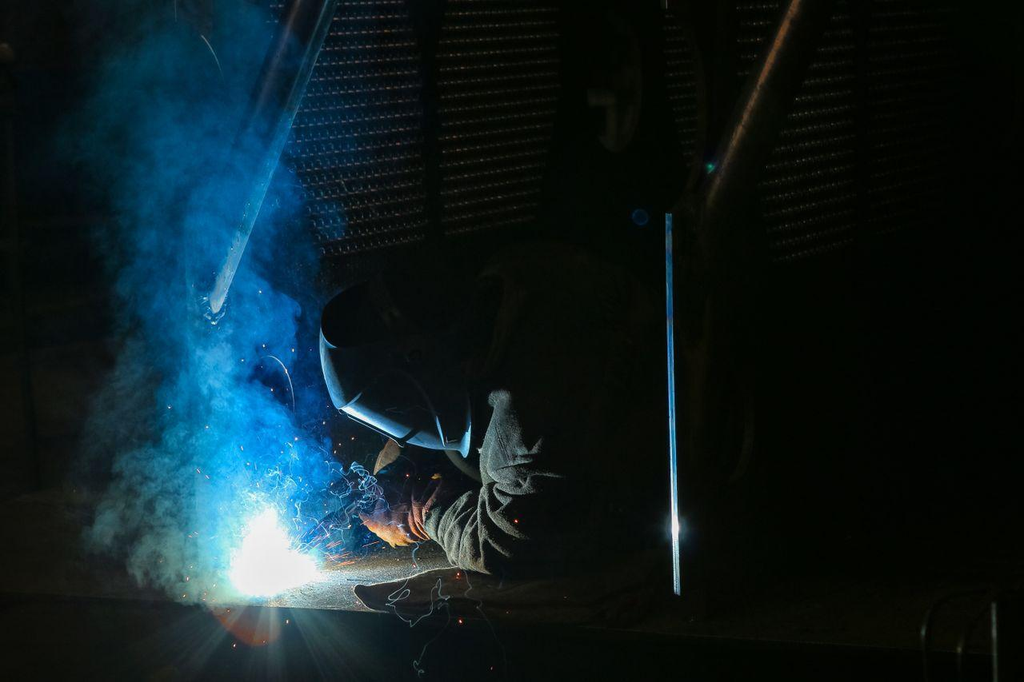
Safety gear is often viewed as a basic overhead expense, but high-performance personal protective equipment is actually a massive productivity driver. If a welder works with a cheap hood featuring poor optical clarity or slow switching speeds, they spend half their day lifting their visor, repositioning workpieces, and straining their eyes.
Upgrading your crew to premium safety gear directly speeds up production cycles. Utilizing professional auto-darkening gear like miller welding helmets gives fabricators crystal-clear visibility before, during, and after striking an arc. With advanced shade technology and wider viewing fields, welders stay in their working rhythm longer without neck strain or eye fatigue. Better vision leads to cleaner passes on the first try, saving hours of costly grinding and re-work.
3. Lowering Scrap Rates with Precision Tooling
Scrapped metal and ruined workpieces wipe out profit margins faster than almost anything else on the shop floor. When cutting tools dull prematurely or alignment fixtures slip out of tolerance, heat builds up, metal warps, and expensive raw materials end up in the scrap bin.
Investing in high-performance carbide cutting tools, specialized abrasives, and precision alignment fixtures ensures clean, accurate cuts every time.
- Cool-Running Abrasives: Reduce surface heat to prevent metal distortion on delicate sheet stock.
- High-Yield Carbide Inserts: Maintain sharp cutting edges longer, reducing tool replacement frequency.
- Precision Fixturing: Holds tight tolerances across heavy production runs to eliminate part variance.
Fewer ruined materials mean higher gross margins on every single job that leaves your bay.
4. Preventing Expensive Downtime via Planned Maintenance
Waiting for a vital compressor, generator, or cutting table to fail in the middle of a rush job guarantees lost revenue and angry clients. Emergency repairs always cost significantly more than routine servicing, not to mention the cost of idle workers waiting for machinery to get back online.
Building a proactive maintenance schedule for all shop equipment keeps your operations running like clockwork. Replacing wear parts, flushing fluids, and checking gas supply lines on a strict timetable extends the operating lifespan of your heavy machinery and keeps your floor running at peak output.
5. Streamlining Inventory and Material Supplies
Wasting forty-five minutes hunting down the right grinding discs, gas cylinders, or replacement nozzles stops work completely. Successful shop managers organize inventory so that essential consumables are always within arm’s reach of the technicians who need them.
Partnering with dependable distributors who offer regular, scheduled deliveries of shielding gas, fill wire, and shop supplies keeps your bays fully stocked. When your team doesn’t have to pause production to wait for supply runs, total daily volume goes up effortlessly.
Maximizing workshop profits isn’t about pushing your team to work at a breakneck pace. By equipping your floor with top-tier safety gear, maintaining your tools, and utilizing smart financial solutions to maintain fluid cash flow, you set your business up for sustainable growth.
