

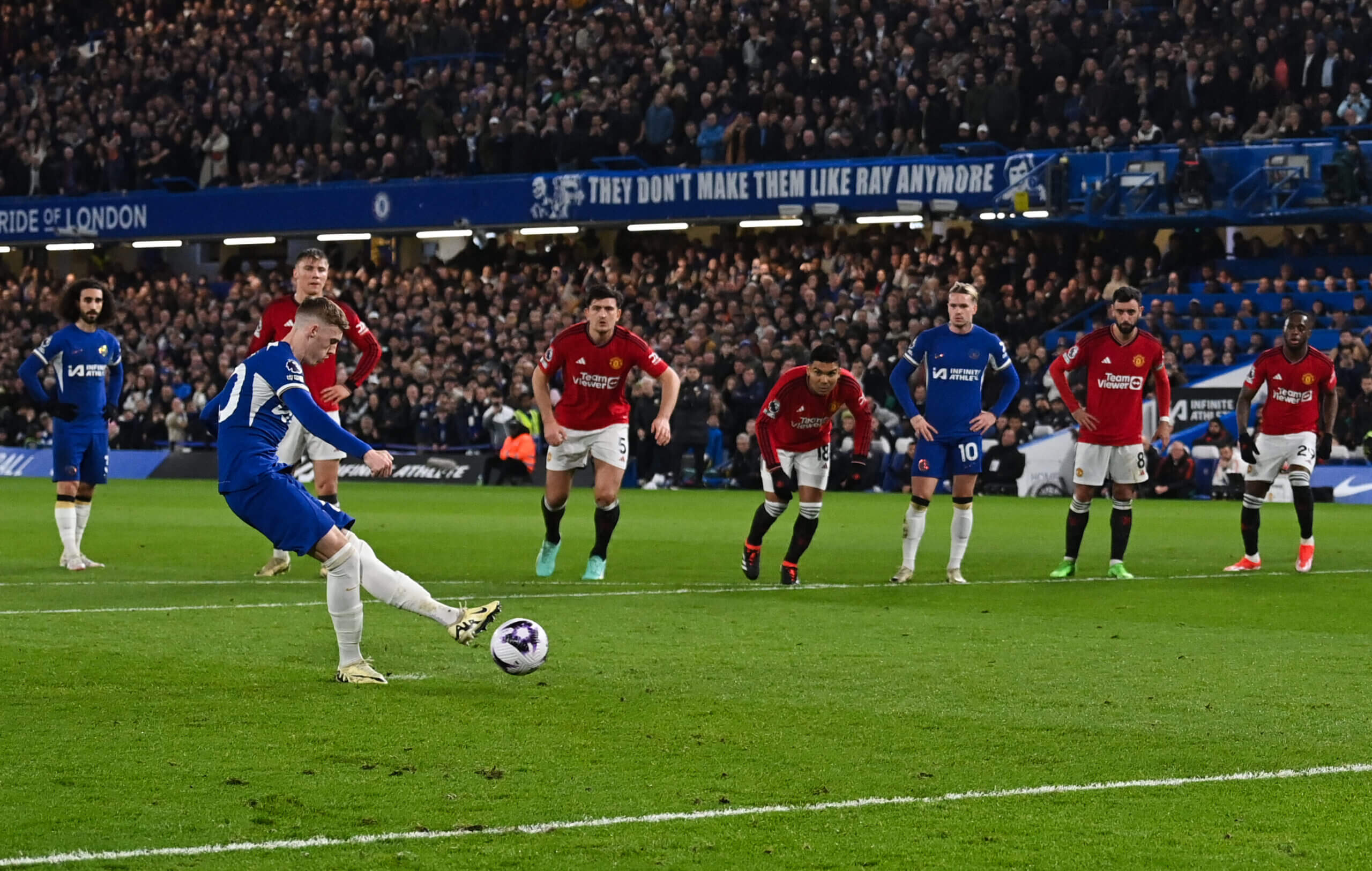
In 2023/24 the Premier League did not only break its all‑time goals record; it also pushed a record share of those goals into added time, turning the final 15 minutes into a separate betting phase. Around 12.8% of all league goals came in stoppage time, and certain teams repeatedly produced late swings that mattered for live markets.
Why the Last 15 Minutes Became a Distinct Betting Window
The introduction of stricter time‑keeping rules fundamentally changed how long a “90‑minute” match actually lasted. League analysis shows that the average Premier League game in 2023/24 ran about three minutes and 13 seconds longer than in 2022/23, adding roughly 1,222 minutes of football over the season—the equivalent of almost 13.6 extra matches. That extra time directly translated into more late goals: there were 138 added‑time goals, a 35% increase on the previous record of 102, and a new high of 12.8% of all goals being scored in stoppage time. Early in the campaign, BBC numbers already highlighted 32 injury‑time goals in the first 80 matches—over 13% of the total to that point—signalling that late scoring was no small-sample quirk. The cause is structural: more minutes, more fatigue and more situations where teams chase or defend a result. The outcome is a league where the final 15 minutes plus added time host more decisive events than before. The impact is that live betting in this segment can draw on repeat patterns rather than only on intuition.
Which Teams Delivered the Most Injury-Time Goals
Not all clubs used the extended late window equally. Data collated from StatMuse and Opta‑based reporting show that Arsenal scored the most goals after the 90th minute across Europe’s top five leagues in 2023/24, with 10 league goals arriving beyond 90:00. A Premier League breakdown lists Arsenal top of the stoppage‑time scoring chart with those 10 goals, followed by Chelsea on 8 and Liverpool on 7, with other Big Six clubs not far behind. Premier League’s own analysis of added‑time goals, based on an internal cut of the season, highlighted Liverpool as the most productive attacking force in added time at one stage, with six goals scored beyond 90 minutes, followed closely by Wolves, Chelsea and Arsenal on four each. In shorter early‑season samples, ESPN noted that 47.4% of the first 38 added‑time goals were scored by Big Six clubs—Arsenal, Chelsea, Liverpool, Manchester City, Manchester United and Tottenham—despite them representing only six of twenty teams. The cause is both talent and intent: deeper benches and better finishers, plus the tactical decision to keep pressing late. The outcome is that these clubs were disproportionately responsible for last‑minute winners and equalisers. The impact is that they become prime candidates for live “late goal” angles when the match situation invites it.
Goal Timing by Segment: Why Late Big-Club Goals Were Structural, Not Lucky
Goal‑time tables for the Premier League show how scoring distributes across 15‑minute segments and confirm that late‑goal patterns concentrate heavily among stronger sides. Arsenal, for instance, combined a very high total goals tally with a particularly strong return in the final 15 minutes and stoppage time, including dramatic strikes from Declan Rice and Gabriel Jesus in 90+ minutes against major opponents. Liverpool’s record includes 24 goals scored after the 75th minute in the league, underlining how often their matches remained live until very late stages; Opta’s numbers cited by StatMuse place that 24‑goal figure as a distinct late‑game spike. FootballFancast’s catalog of the latest 2023/24 injury‑time goals shows repeated appearances from Aston Villa, Tottenham, Liverpool, Arsenal and Sheffield United in ultra‑late strikes (90+7, 90+9, 90+10, 90+11, 90+13), illustrating just how extended the “final minutes” became. The cause is that these teams either sustain pressure or get dragged into chaotic finishes where structure breaks down. The outcome is that scorelines often change after 80 minutes, sometimes more than once. The impact is that traders and live bettors cannot safely treat the score at 75–80 minutes as a near‑final state when these teams are on the pitch.
Illustrative Late-Goal Snapshot for Key Clubs
A concise view of late‑goal tendencies helps frame which sides were most “dangerous” in the closing phase.
| Team | Goals after 90′ (PL 23/24) | Notable Late-Goal Traits |
| Arsenal | 10 | League‑leading injury‑time total; repeated dramatic winners. |
| Chelsea | 8 | Frequent late swings in chaotic matches. |
| Liverpool | 7 (6 in some PL cuts) | Heavy pressure late; 24 goals after 75′ overall. |
| Big Six (group) | 47% of early added‑time goals. | Collected nearly half of an early added‑time sample. |
These numbers do not mean a late goal is guaranteed whenever these teams play, but they show that the biggest clubs had a structural edge in exploiting extended time.
Mechanism: Why the Final 15 Minutes Favoured Certain Teams
The pattern is not just about mentality; it has a physical and tactical mechanism behind it. Longer stoppages extend total running time, and sports‑science work on evolving running loads in elite football notes that increased effective minutes amplify fatigue, especially for teams that press aggressively or face congested schedules. Big clubs with deep squads can maintain or even increase intensity through late substitutions, while opponents with thinner benches struggle to keep pace, leading to more space and more defensive errors in the last 15 minutes. Analysts writing for the Premier League concluded that the combination of extended time and proactive tactical changes—late attacking substitutions, bolder formations—was crucial in producing the surge in last‑minute goals. The cause is asymmetry: the stronger side has both fresher legs and better attackers when the extra minutes arrive. The outcome is that late periods tilt further toward those teams, even if the first 75 minutes were balanced. The impact for live bettors is that a tied or one‑goal game involving an elite attacking side is not “settling down” in minute 80; it may be entering the period where their edge is greatest.
How to Turn Late-Goal Data into a Live-Betting Checklist
Knowing that Arsenal, Liverpool, Chelsea and other big clubs score late is only useful if it shapes live decisions in real time. A practical approach is to treat the final 15 minutes plus added time as a separate scenario with its own checklist, using goal‑timing tables and late‑goal stats as a base. When the game reaches around 75–78 minutes, you can ask whether a high late‑goal team is chasing, whether fresh attackers are on, and whether the opponent is already defending deep and conceding shots. If those conditions align, late‑goal or “goal in last 15 minutes” markets gain a process‑based underpinning, especially where prices have drifted due to a low score. The cause is alignment between structural tendency (late scoring) and immediate game state (pressure and fatigue). The outcome is a more disciplined live entry, not just a hunch that “something might happen”. The impact is that you target only those final‑segment bets where both long‑term data and real‑time conditions point the same way.
Example Late-Goal Live-Betting Sequence
To keep this logic repeatable, you can walk through a short sequence once the clock passes 75 minutes.
- Check whether at least one team on the pitch has a strong record of goals after 75′ or 90′, using pre‑match prep from timing tables and club‑specific stats.
- Assess the current game state: is the late‑goal team chasing a draw or winner and still dominating shots and territory, or have they settled into protecting a lead?
- Note substitutions and freshness: have attacking changes recently been made, or is the front line visibly fatigued while the opponent still has energy and structure?
This sequence ties structural late‑goal propensity to what is actually happening in the match, which is essential to avoid over‑betting “brand name drama” when the conditions are not present.
How Live Late-Goal Logic Fits Inside a UFABET Session
Taking advantage of late‑goal tendencies requires more than recognising which teams score late; it depends on how you act inside a live odds screen. A bettor who knows that Arsenal and Liverpool were among the most prolific clubs after 90 minutes and that Big Six teams scored nearly half of early added‑time goals might intend to focus on late‑goal markets when those clubs are drawing or narrowly behind. Once that bettor opens a real‑time Premier League display on ยูฟ่า168, though, the arrangement of options—full‑time lines, next‑goal markets, handicaps, player bets—can nudge them toward broad, reactive choices instead of the narrow “last 15 minutes” logic they prepared. The cause is interface pressure: odds flash and move as the clock ticks, which encourages quick decisions based on the current score alone. The outcome is that disciplined late‑goal ideas may be replaced by impulse bets that ignore whether the teams involved actually have a history of scoring late under 2023/24 conditions. The impact is that the structural edge from late‑goal data only survives if you deliberately anchor your live routine around it—for example, by setting a rule to only consider late‑goal wagers when one of your pre‑identified late‑scoring teams is in a game state that matches its historical pattern.
How Late-Goal Thinking Differs from Broad casino online Reactions
Treating the last 15 minutes of a Premier League game as a distinct analytical phase is fundamentally different from the way many people react to late stages in a broader casino online context. Late in a match, emotionally driven behaviour often takes over: chasing losses, betting on “one more goal” because it would be exciting, or stacking same‑game parlays when the clock is running out. The cause is that the tension of the final minutes feels similar to the final spins or hands in quicker‑cycle games, pushing people toward high‑variance decisions independent of underlying patterns. The outcome is that they may back a late goal in any match that “feels alive,” even if neither team had a notable late‑scoring profile in 2023/24 or if the game state (both teams happy with a draw, no attacking subs) does not support it. The impact is that the carefully observed reality—that big clubs like Arsenal, Liverpool and Chelsea were genuine repeat offenders in injury time—gets washed out by spur‑of‑the‑moment bets in matches where the clock says “late drama,” but the data and context do not. Keeping late‑goal betting grounded in 2023/24 timing statistics, rather than in end‑game emotions, is what turns this idea from a narrative into a strategy.
Summary
The 2023/24 Premier League season turned the final 15 minutes plus added time into an unusually rich scoring window, with 12.8% of all goals coming in stoppage time and a 35% jump in added‑time strikes compared with the previous record year. Within that environment, Arsenal, Chelsea and Liverpool stood out as the leading late‑goal teams, while Big Six clubs collectively delivered almost half of early added‑time goals, confirming that late scoring was concentrated among the most powerful sides. For live bettors who matched those long‑run patterns with real‑time conditions—pressure, substitutions, and game state—the last 15 minutes became less of a lottery and more of a targeted opportunity, provided they resisted the natural pull toward impulsive “one more goal” bets in matches that did not fit the 2023/24 late‑goal profile.